Keyless Fob Systems for Bay Area Commercial Properties
Commercial properties in Walnut Creek and across the East Bay are rethinking how people enter offices, suites, and shared spaces. A keyless fob system gives property managers and business owners more control than traditional metal keys, while staying simple for daily use.
For buildings with multiple tenants, changing staff, or more than one entry point, a fob-based business entry system can make access management easier. It can also reduce the friction that comes with rekeying doors, replacing lost keys, and tracking who should be able to enter each part of a property.
What a keyless fob system is
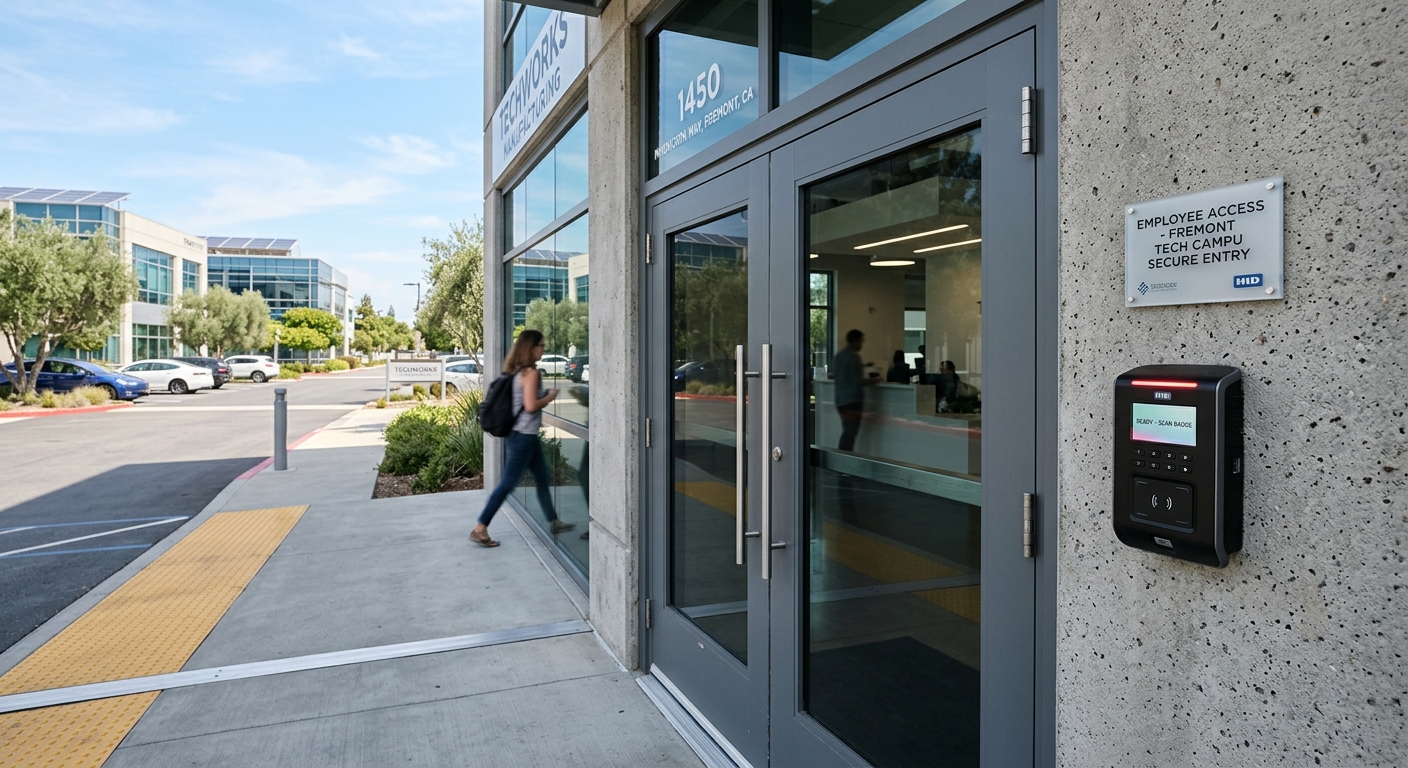
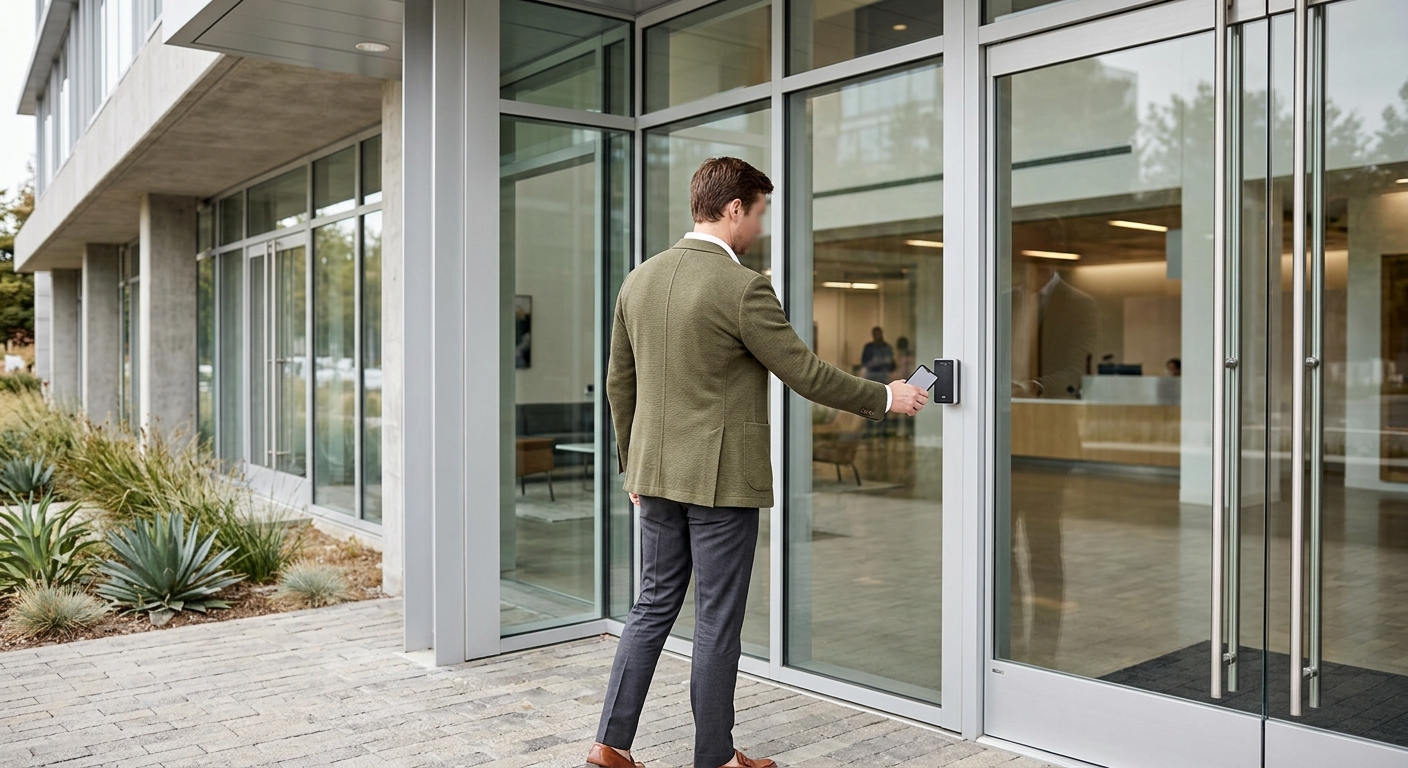
A keyless fob system uses small electronic credentials, often carried on a keychain, to unlock approved doors through a reader. When a user presents the fob to a keycard reader or access reader, the system checks permissions and unlocks the door if that person is authorized.
In practice, this setup usually includes door readers, electric locking hardware, software for assigning permissions, and the fobs themselves. Some systems can also work alongside a door keypad system, mobile badge access, or options that let users unlock office with phone credentials instead of a physical fob.
How fob systems compare with traditional keys and key cards
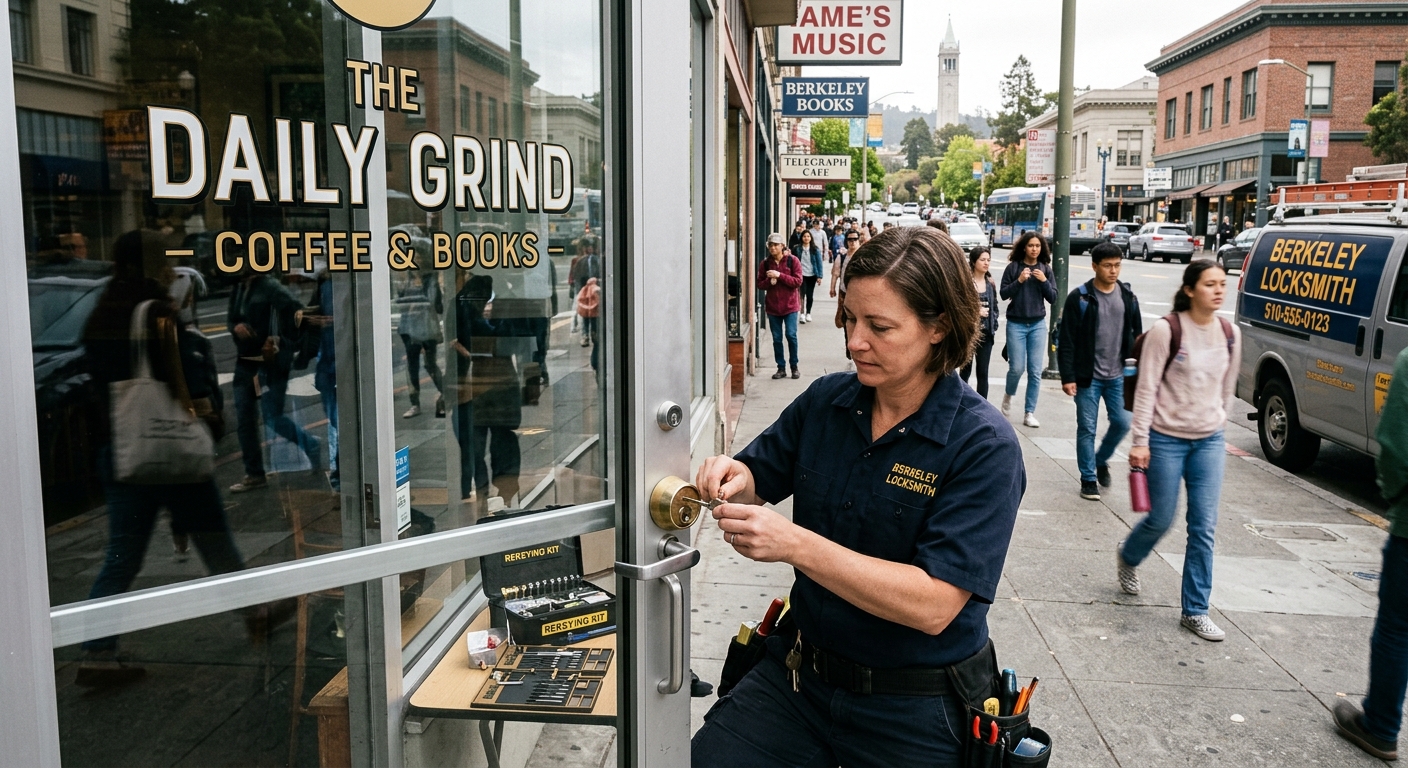
Traditional keys are familiar, but they create management problems in commercial settings. If an employee leaves or a key goes missing, you often have to rekey one door or several doors. That adds cost and can disrupt tenants, staff, and vendors.
A keyless fob system handles that problem differently. Instead of replacing hardware after every lost credential, managers can usually deactivate one fob in the software and issue another. That single change is one reason many businesses in Walnut Creek, Concord, San Ramon, Pleasanton, and nearby cities are moving away from metal keys.
Key cards solve some of the same problems, but fobs have a few practical advantages. They are compact, easy to carry, and often more durable than cards that get bent, scratched, or left in wallets. For some properties, a key card system for business still makes sense, especially when cards double as visible staff IDs. For others, fobs are more convenient for daily entry.
An employee badge system can also overlap with fob access. Some businesses use one credential for both identity and entry, while others keep photo badges separate and use fobs or mobile badge access for doors only.
Why Bay Area businesses are adopting fob-based access
Commercial property managers and business owners want more visibility into who can access which spaces. They also want a system that can grow with staffing changes, tenant turnover, and changing building layouts.
A fob-based business entry system helps with that in several ways:
- Access can be assigned by person, suite, department, or role
- Different doors can have different permission levels
- Lost credentials can be turned off without replacing every lock
- New hires, vendors, and temporary staff can be added faster
- Shared entries can be managed across offices, lobbies, storage rooms, and common areas
This matters for single offices and for larger properties in Berkeley, Richmond, Martinez, Dublin, Livermore, and Pleasant Hill where multiple users may need different schedules or door permissions.
Issuing and deactivating fobs
One of the biggest day-to-day benefits of a keyless fob system is simple credential management. When a new employee joins, a manager can issue a fob and assign access only to the doors that person needs.
When someone changes roles or leaves the company, access can be updated or removed without collecting every physical key first. That is especially useful for companies with cleaning crews, delivery staff, part-time teams, or outside vendors who need access to limited areas.
For businesses comparing a fob setup to a standard key card system for business, this is often the deciding factor. The value is not just the credential itself. The value is the ability to control access quickly and precisely.
Managing multiple doors, suites, and common areas
Many East Bay commercial properties have more than one access point. There may be a front entrance, office suites, rear doors, server rooms, break rooms, storage areas, and gated entries. A well-planned keyless entry for office use should account for all of them.
Fob systems can be set up so one person opens only the main office and break room, while another can also enter inventory storage or a private suite. In multi-tenant buildings, credentials can be limited to a single leased area or extended to common entrances only.
That makes the system useful for:
- Professional offices
- Medical and dental suites
- Warehouses with office space
- Multi-suite commercial buildings
- Retail back offices and staff-only rooms
For managers working with a commercial locksmith in Contra Costa County, planning door groups and user roles early can prevent confusion later.
Handling lost fobs without creating bigger problems
Lost credentials happen. The difference is how much work follows.
With metal keys, one missing key can create a larger security decision. Do you leave things as they are, or do you rekey one or more doors? With a keyless fob system, the usual response is simpler. Disable the lost fob, issue a replacement, and confirm that old access no longer works.
That speed helps businesses reduce risk without rushing into hardware changes every time a credential disappears. It also gives property managers clearer records of active users and active credentials.
Scaling across growing teams
Growth tends to expose weak access setups. A system that works for five employees may become hard to manage at twenty, and messy at fifty.
A keyless fob system gives businesses room to scale. You can add users, assign by department, separate access by schedule, and support expansion into new suites or doors without starting over. Some companies also add mobile badge access over time, which can support staff who prefer to unlock office with phone credentials.
This flexibility matters for companies opening additional rooms, taking over adjacent suites, or formalizing an employee badge system as headcount grows.
What to consider before choosing a system
The best setup depends on how the building operates each day. Before choosing hardware or software, property managers and owners should think through a few practical questions:
- How many doors need controlled access now
- Which users need access to which spaces
- Whether tenants or departments need separate permissions
- How often staff changes happen
- Whether a door keypad system, keycard reader, or mobile credentials should be added
- How the system may expand over the next few years
These details shape whether a property needs a simple single-office setup or a broader business entry system across several suites and shared doors.
Choosing the right support for installation and planning
Installing and organizing commercial access control is not only about placing readers on doors. The real value comes from matching the system to the building, the staff structure, and the daily routines of the people using it.
A commercial locksmith can help property managers and business owners plan reader locations, credential types, door permissions, and future expansion. For East Bay businesses, that planning can make the difference between a system that stays easy to manage and one that becomes difficult after the first round of staffing changes.
If you're considering a keyless fob system for a commercial property in Walnut Creek or a nearby East Bay city, contact B&B Locksmith & Security to discuss the right setup for your building.